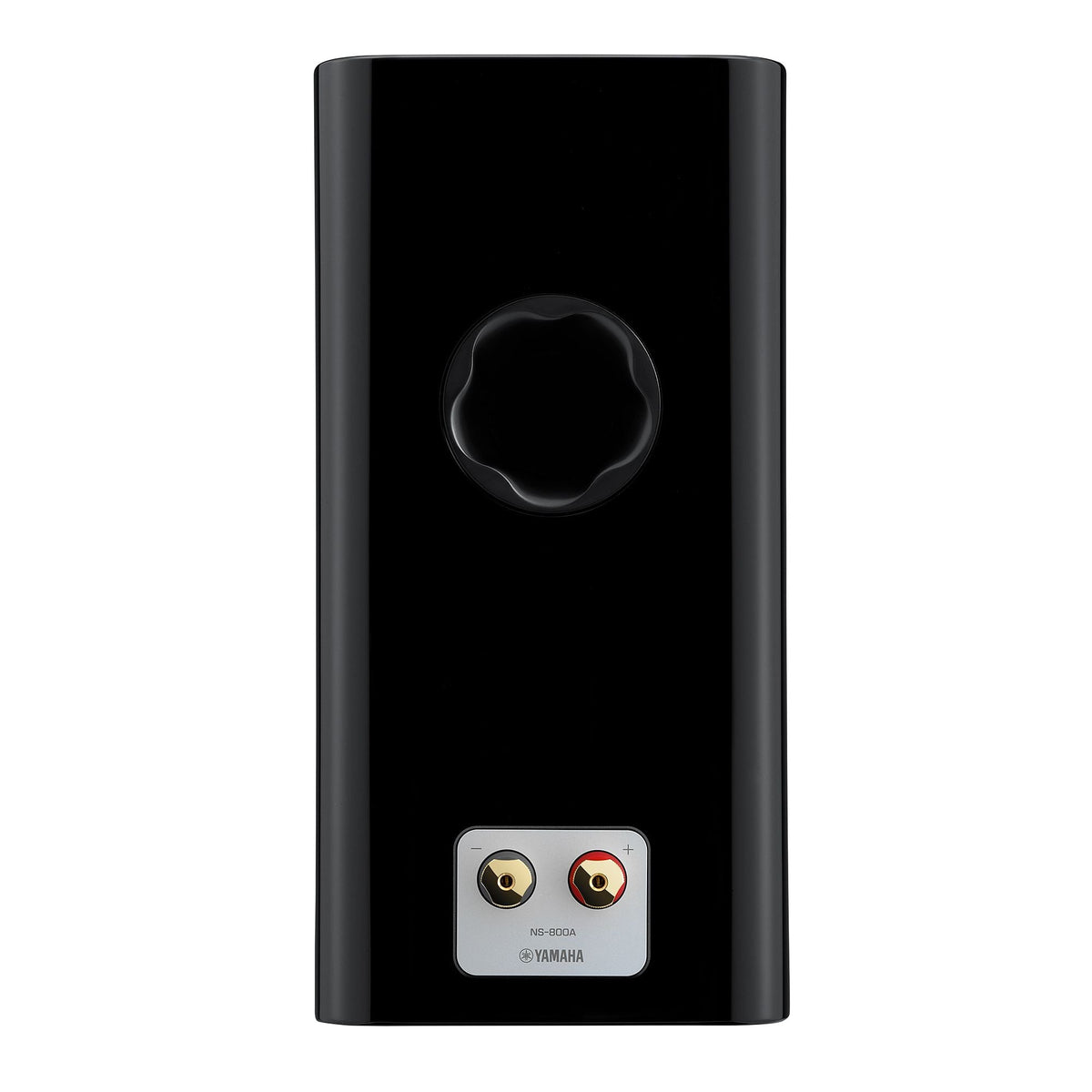
16 cm two-way design with Harmonious Diaphragm™ and a wide soundstage
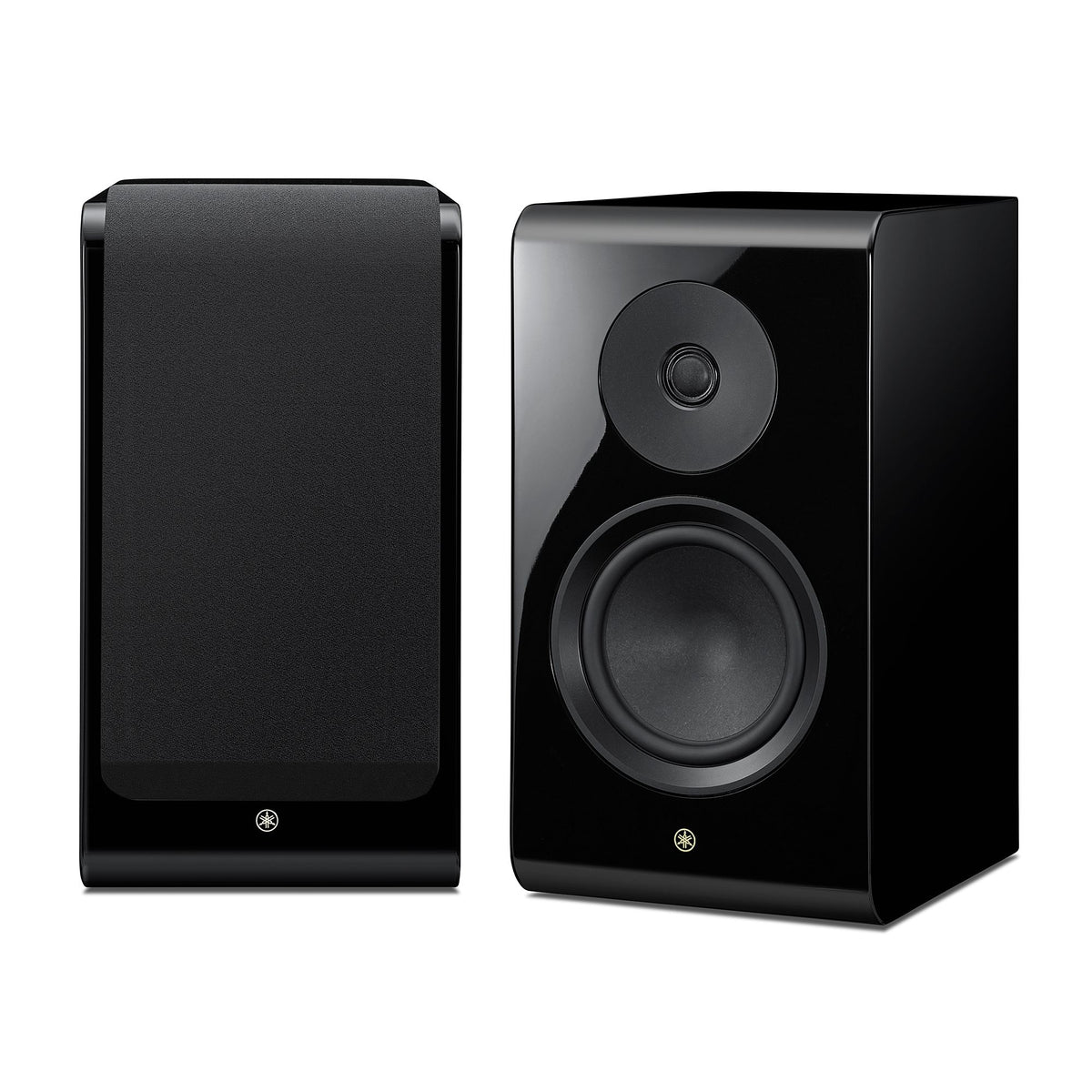
NS-800A is a Yamaha two-way speaker with a 16 cm woofer, Harmonious Diaphragm™ in ZYLON™ and spruce, R.S. resonance control and a patented acoustic absorber.
NS-800A combines a 16 cm woofer with a tweeter and a larger-volume cabinet than the compact model in the same series. Harmonious Diaphragm™, R.S. chambers and the acoustic absorber are joined by a Twisted Flare Port, while the construction is studied using laser vibrometry and FEM analysis to control enclosure behaviour.
Key features
- Two-way configuration with 16 cm woofer.
- Harmonious Diaphragm™ made with ZYLON™ and spruce.
- R.S. (Resonance Suppression) structure behind the tweeter.
- Yamaha acoustic absorber to limit internal standing waves.
- Cabinet developed using laser vibrometry and FEM analysis.
- Crossover with quality components and Mundorf capacitors.
- Brass speaker terminals for a stable connection.
- Gloss finish produced using a process inspired by Yamaha pianos.
Harmonious Diaphragm™
The diaphragm combines ZYLON™, a synthetic fibre with high propagation speed, with spruce, a material also used in Yamaha piano soundboards. Using a common blend for the drive units helps keep tonal character uniform across the spectrum and makes the transition between drivers more continuous.
R.S. structure
The R.S. (Resonance Suppression) chamber is mounted behind the tweeter and uses shaped ducts to cancel resonances that would otherwise arise on the rear side of the diaphragm. Instead of absorbing energy indiscriminately, the system targets specific phenomena that can mask the nuances of voices and instruments.
Acoustic absorber
Inside the cabinet Yamaha uses a patented absorber to control standing waves while reducing the amount of conventional sound-absorbing material. The aim is to limit cabinet colouration without taking too much energy from reproduction, preserving dynamics and the sense of presence of the original source.
Cabinet and vibration
The cabinet structure was studied using laser vibrometers and FEM analysis, tools also employed in the development of Yamaha musical instruments. Bracing is placed where vibration needs to be controlled, avoiding indiscriminate stiffening of every surface and preserving the intended behaviour of the cabinet as a whole.
Crossover and terminals
The crossover uses selected components, including Mundorf audio capacitors, to divide the signal between woofer and tweeter with limited losses. Brass terminals provide secure cable tightening and complete the electrical path with a mechanically robust connection on the rear panel.
Finish and integration
The gloss surface uses a finishing process linked to Yamaha's experience in building grand pianos, making the cabinet suitable for carefully designed domestic interiors as well. The Twisted Flare Port reduces airflow turbulence and bass-reflex port noise. The appearance nevertheless remains subordinate to the rigidity and vibration control required by the acoustic design.