The perfect partner
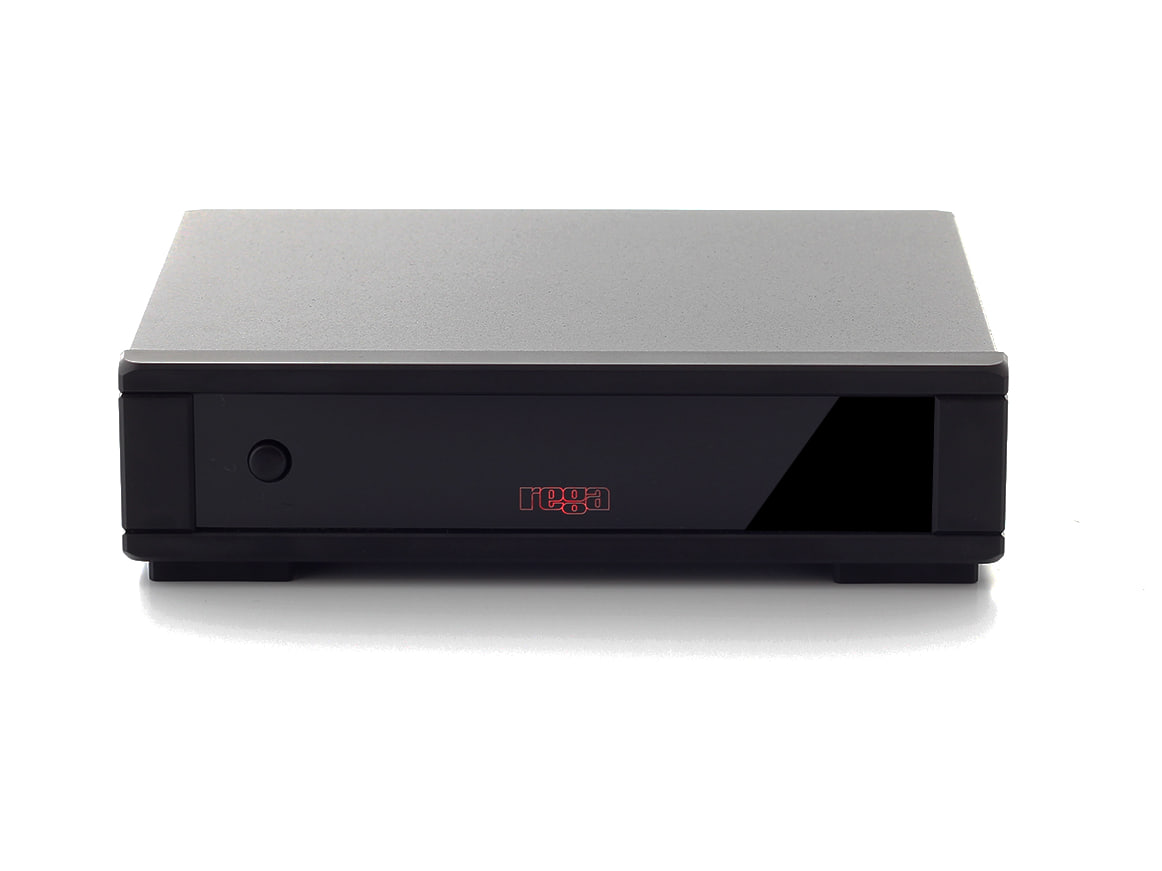
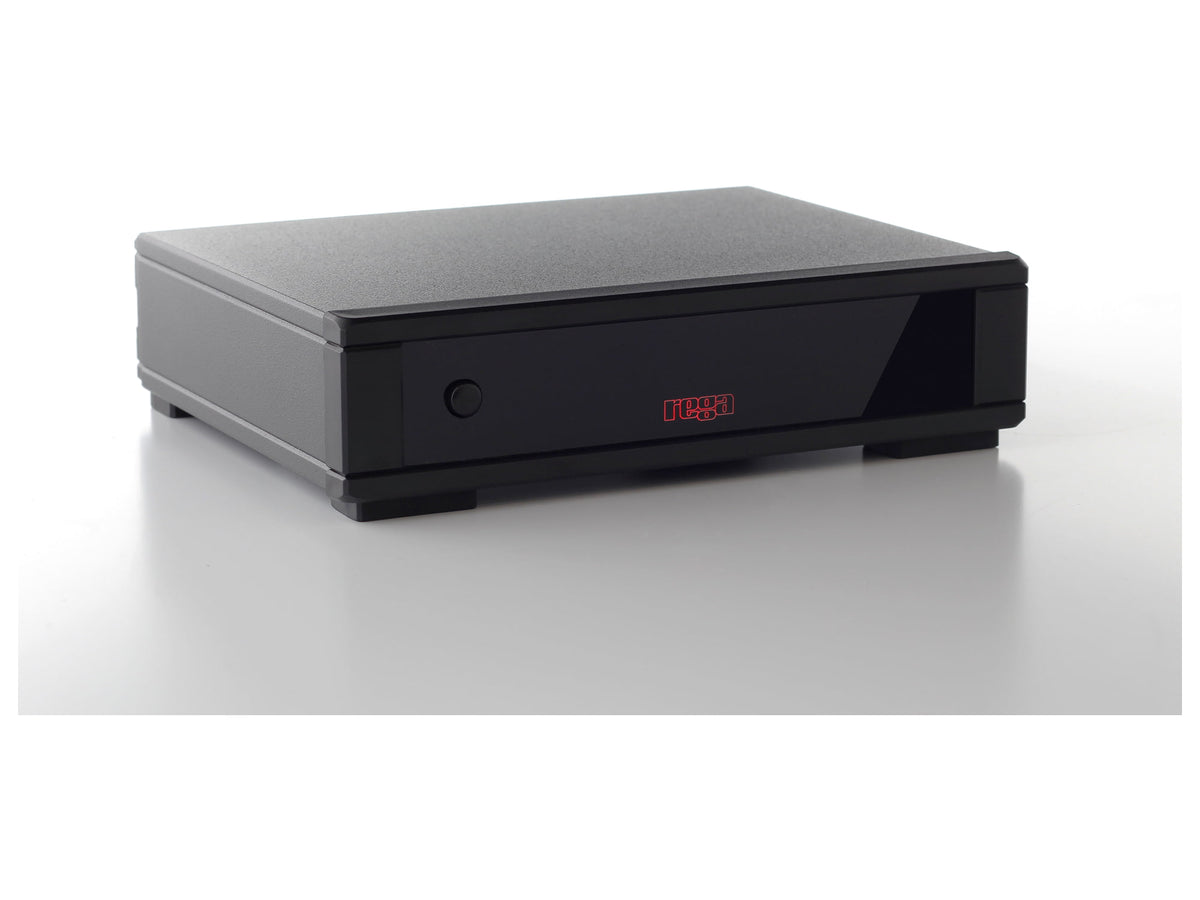
Rega Fono MM MK5 is a dedicated MM phono stage with discrete input, two-stage RIAA equalisation and a compact aluminium chassis styled to match Rega electronics.
Fono MM MK5 is designed to amplify the signal from moving-magnet cartridges correctly and feed it to a standard amplifier line input. The input stage is fully discrete, complementary and cascaded, a configuration chosen to optimise performance with MM cartridges. The circuit is housed in the latest-generation chassis, sharing its design language with Fono MC MK4 and Neo PSU MK2.
Key features
- Dedicated MM phono stage
- Simple connection and operation
- Custom aluminium chassis
- Two-stage RIAA equalisation
Discrete input stage
The input section uses fully discrete, cascaded complementary amplification designed for the typical level and load of moving-magnet cartridges. The aim is to preserve the very small signal generated by the cartridge and amplify it without resorting to unnecessarily complex circuitry. Input sensitivity and gain are set for MM use, while the output is intended for a conventional amplifier line input.
RIAA equalisation
RIAA equalisation is split into two stages to reduce interaction between different sections of the correction curve. Rega uses polyester capacitors along the signal path, with polypropylene types in the RIAA network, selecting components suited to maintaining stability and accuracy when reconstructing the record response. The two-stage configuration treats the different equalisation requirements separately and keeps the circuit focused entirely on analogue playback.
Construction and integration
The aluminium enclosure follows the design language of Rega's latest electronics and provides a compact structure suitable for placement near the turntable or amplifier. The rear panel carries turntable inputs and amplifier outputs in a simple layout that avoids unnecessary functions. Fono MM MK5 is therefore conceived as a dedicated phono stage, without digital conversion or adjustments intended for MC cartridges, and integrates easily into systems equipped only with line inputs. The configuration remains deliberately simple, keeping the path from cartridge to phono stage and amplifier direct and free from unrelated functions.