80 watts of Class AB and four analogue inputs for the most connected traditional Uniti
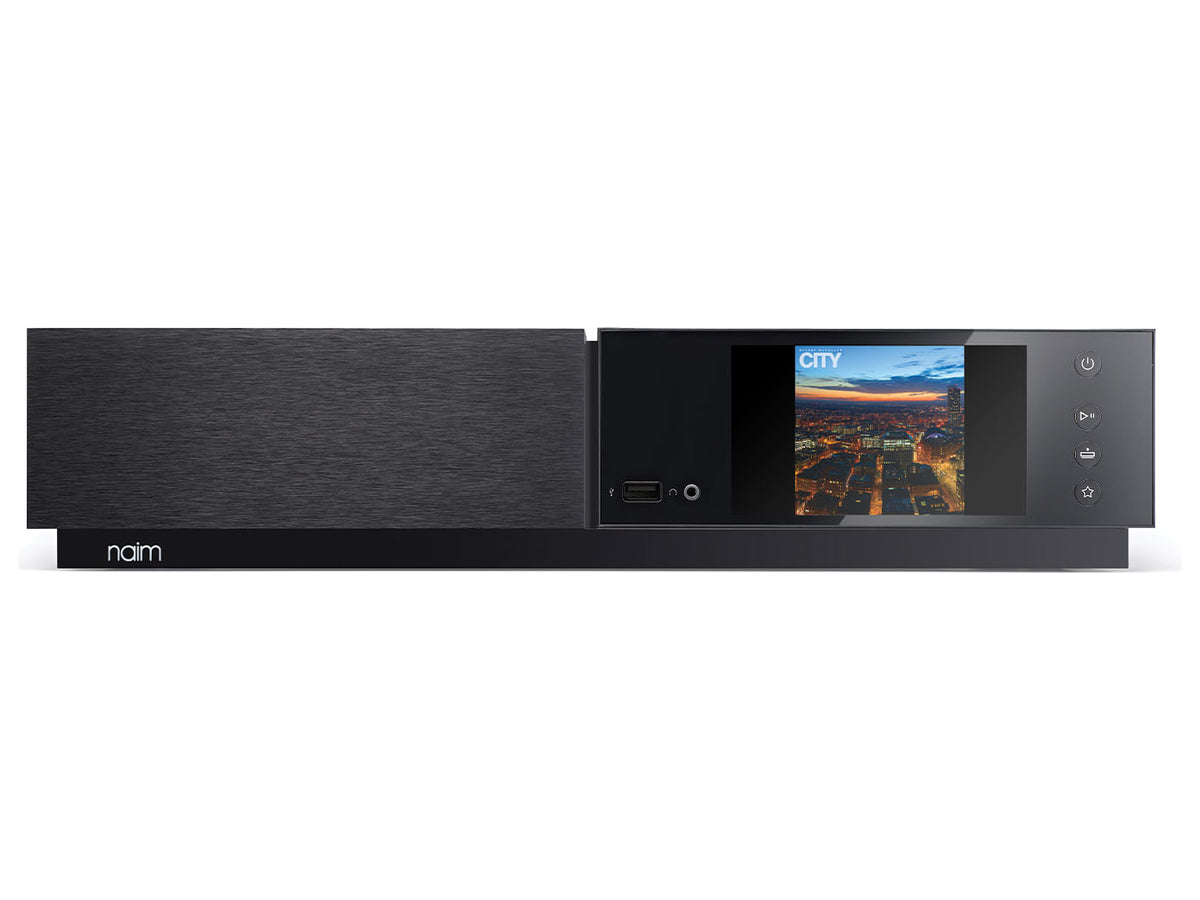
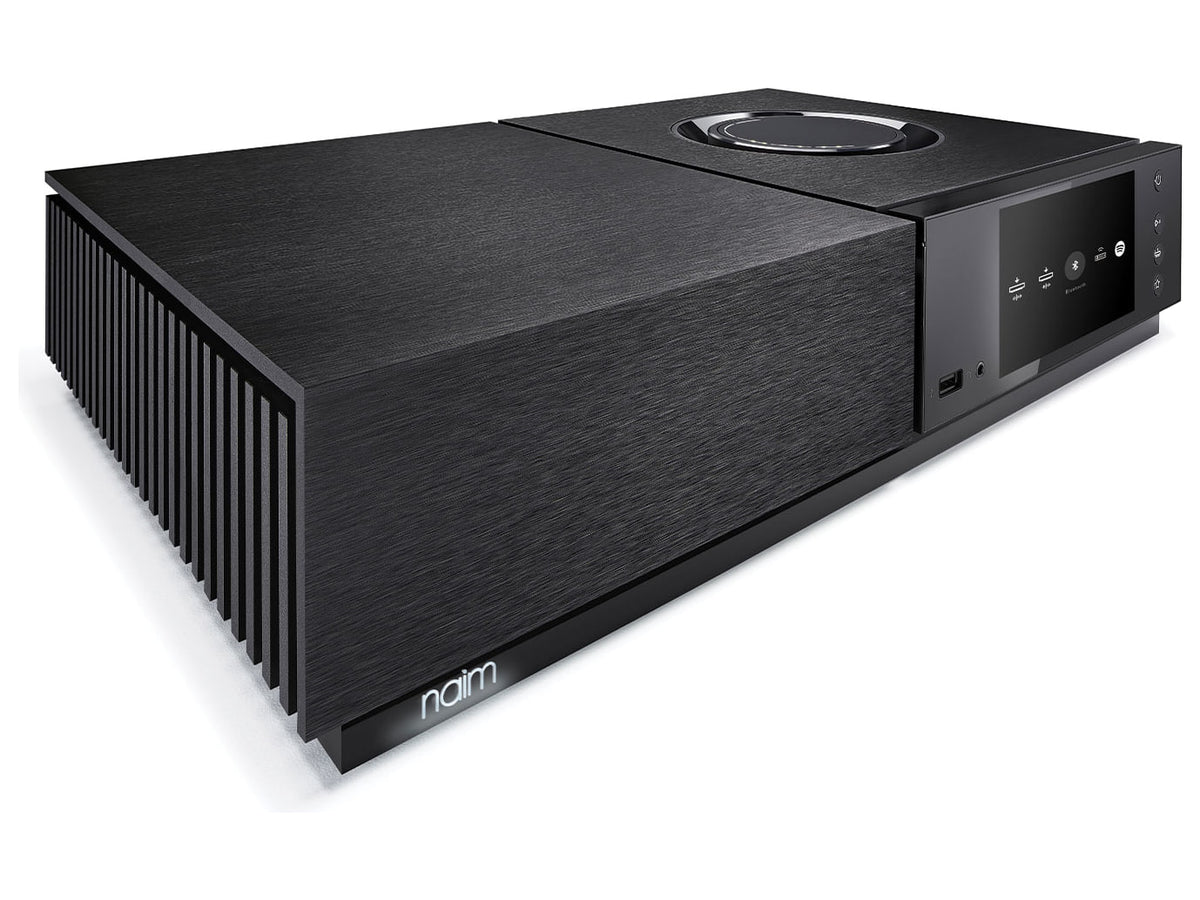
Naim NOVA combines 32/384 streaming, 80 W per channel, multiple DIN and RCA inputs and preamplifier output in one 43.2 cm component.
The single Naim NOVA corresponds to the current Uniti Nova and is the Class-AB all-in-one with the broadest analogue input complement in the range. It delivers 80 W per channel into 8 ohms and includes two DIN inputs, two RCA pairs, four digital inputs and preamplifier output for system expansion.
Key features
- Class-AB stereo power stage delivering 80 W per channel into 8 ohms
- WAV up to 32-bit/384 kHz and DSD64/128 through Naim's streaming platform
- Network services include AirPlay 2, Chromecast, Roon Ready, Spotify Connect, TIDAL, Qobuz, Bluetooth and UPnP
- Two 5-pin DIN inputs and two RCA pairs
- Two optical TOSLink, one RCA coaxial and one BNC coaxial digital input
- Analogue outputs on 4-pin DIN and stereo RCA
- 3.5 mm headphone socket and HDMI connection for television audio
- 5" display, Zigbee remote and Focal Naim app control
- Optional DAB/FM module available
More connections and power than Star Lite
Star Lite delivers 70 W per channel and provides one DIN plus one RCA input; Nova rises to 80 W and doubles both analogue connection types. That difference matters mainly when streaming shares the system with several conventional hi-fi sources, while the single-box approach and integrated power amplifier remain unchanged.
Nova or Nova PE
Nova uses Class-AB amplification and stops at 80 W into 8 ohms, while Nova PE moves to Class D and delivers 150 W into 8 ohms and 250 W into 4 ohms. Streaming features and much of the connectivity remain similar, so the principal change is the power stage and the loudspeaker load it is intended to drive.
It can sit at the centre of a larger system
Line outputs allow external amplification to be added, while multiroom links Nova to other Naim streamers and Mu-so systems. For passive loudspeakers, Naim lists NAC A5 and Super Lumina compatibility, allowing the unit to remain the main source and control component as the rest of the system develops. The front display and Zigbee remote also keep source selection, volume and everyday playback accessible without relying on a phone for every command.